


September 23, 2026·8 min read
Salon suite vs. home studio: which is better for an independent beauty pro?

The quick answer
Salon suite vs home studio: which is better for an independent beauty pro?
A home studio can look cheaper than salon rent, but Texas rules, insurance, and working alone add real costs.
- Texas requires a separate entrance and a closed door between house and salon, per TDLR.
- Many HOAs block a home salon outright, even where city zoning allows it, per HOA-management guidance.
- The IRS simplified deduction caps at $5 per square foot for a $1,500 yearly maximum.
- Standard homeowners insurance skips business liability, so a home salon usually needs its own policy, per State Farm.
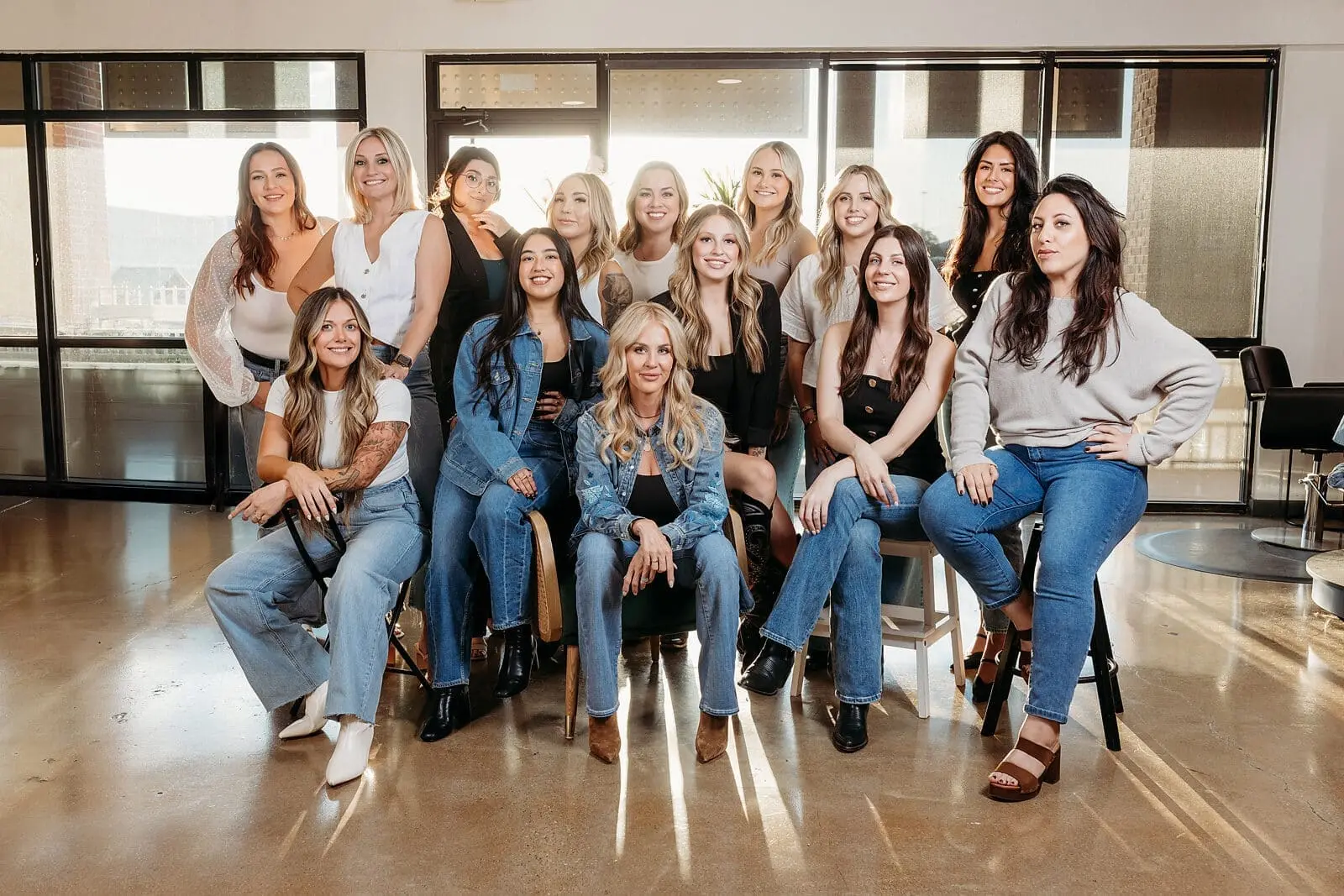
- bex+Co.’s own count puts more than 100 independent beauty pros on seven Austin salon floors.
Maybe you’ve already run the numbers on booth rent or a suite, and now you’re looking at your own spare room and wondering if a home studio would just be cheaper.
Sometimes it is. Other times the paperwork, the insurance and the quiet cost more than the room ever saves you, so let’s price the whole thing, the rent and everything beyond it.
Who this is for, and who should wait
This is for a licensed beauty pro in Texas with a steady enough book to leave commission, weighing a home studio against a suite or a shared floor. If you’re fresh out of school and still building a book, this one can wait, and I say it plainly: “When you’re first leaving school, you probably don’t need to go independent. You need to go to commission.” It’s also not for anyone whose HOA or city won’t put client visits in writing.
No studio is worth building on a maybe.
What’s the real difference between a salon suite and a home studio?
A salon suite is a private room you lease inside somebody else’s building. The landlord handles the walls, the parking lot and the building’s own license, and you handle everything inside your door. A home studio flips that, since you already own or rent the walls. There’s no lease to sign, but every piece of running a licensed business now lives inside your house, instead of in a commercial building somebody else set up for exactly this.
Both leave you working alone behind a door, so think hard about how you work best before you choose. In Module 1 of my Beauty Empire Blueprint course, I have students ask every space whether there’s a receptionist, who handles the cleaning and who does the laundry. A suite or a salon can offer some of that. A home studio has to build all of it from nothing, on your own time.
What does Texas actually require to run a salon out of your house?
The license is the smaller part, since most of the Texas rules are about the room. A home-based barbering or cosmetology establishment needs an entrance separate and distinct from the residential entrance, a dedicated space separated from the rest of the home that’s never used as living space, and a door between the house and the salon that stays closed during business hours, per the Texas Department of Licensing and Regulation. You apply for a license the same way any other establishment does, and TDLR can inspect it.
Zoning and your HOA are two more hurdles on top of that license, and each one answers to nobody but itself. Even where your city’s zoning allows a home business, HOA management guidance names a home-based hair salon directly as the kind of business most associations restrict, because of the client traffic it brings into the neighborhood. A city permit doesn’t override a covenant, so read both before you build a single wall.
Here’s the Texas side at a glance...
| Requirement | What it means | Source |
|---|---|---|
| Separate entrance | Distinct from the home’s own front door | TDLR |
| Dedicated space | Never used as living space | TDLR |
| Closed door | Shut between house and salon during business hours | TDLR |
| HOA covenant | Can block it even where the city allows it | HOA Management |
- Choose a home studio if your space already meets TDLR’s entrance, layout and door rules, and your HOA and city allow it in writing.
- Choose a salon suite if you want your own locked room but would rather a landlord handle the building and the license around it.
- Choose a Shared Workspace Salon™, like bex+Co., if you want to own your business and still have other pros on the floor with you.
What does a home studio really cost, once insurance and taxes are counted?
The lease you skip is real money, and so is everything you now have to go buy yourself. A standard homeowners policy doesn’t extend its liability coverage to home-based business activity, per State Farm, and it caps business property coverage around $1,500 inside the home. That’s nowhere near enough to cover the gear at a working station.
Insureon’s industry estimates put personal care businesses at $38 a month for general liability and $50 a month for professional liability, and that’s a policy or endorsement you’d have to go find on your own. A suite or a shared floor often folds coverage like this into what you already pay.
Taxes cut the other way.
The simplified home office deduction from the IRS is $5 per square foot of space used only for business, up to 300 square feet, for a maximum deduction of $1,500 a year. You still need the business setup, though. In Module 1 of my course, I teach every independent student the same steps no matter where they work: an LLC (about $300 in Texas), a dedicated business bank account and their own payment processing, all before the first client walks in. A home studio needs every one of those, and then it adds the room on top.
Community or isolation: what do you actually gain and lose?
A home studio is the most isolating option here, and that’s a cost nobody puts on a spreadsheet. In Module 4 of my Beauty Empire Blueprint, under “Surround Yourself with Community,” I tell students plainly: “Loneliness and isolation tax your emotional reserves. Seek out connections.” At home there’s no suite hallway and no salon floor, so there’s nobody to ask “what would you do with this color” between clients. Your work life also ends up inside the same walls as the rest of your life.
Some people want exactly that. If quiet and total control of your own space and schedule matter more to you than company during the day, a home studio can be the right call, and I’d tell you so myself. Just price the isolation the way you’d price the insurance, honestly and before you sign anything, so you don’t find out three months in that the quiet has stopped feeling like a feature.
Is there a way to get the ownership without the isolation?
Yes, that’s exactly what a Shared Workspace Salon™ is for, and here’s how it started: “There was either commission or there was booth rent. So I built a third category, a Shared Workspace Salon™. It brings people together, it creates community and collaboration, and it supports stylists the way I needed to be supported.”
In 2015 I opened the first Shared Workspace Salon™ in Austin: one open floor, your own station and key, backbar, towels and cleaning handled, business setup taught in my course, and other independent beauty pros working around you all day. That means no lease negotiation, no TDLR home inspection and no HOA covenant to fight. More than 100 independent beauty pros now work across seven salons around Austin, per bex+Co.’s own count. If the category is new to you, I explain what a Shared Workspace Salon™ is on its own page.
At bex+Co.® I have complete freedom over my schedule. It lets me actually enjoy my life outside of work, something I never had before. I've met some of my best friends here. It gave me confidence, support, and a community I didn't expect to find.

What should I do before I decide?
Do these three things before you spend a dollar on either option...
- Call your HOA (if you have one) and your city, and get the answer on client visits in writing, not from a neighbor's guess.
- Get a real insurance quote for the home-studio path, then compare it against what a suite or a shared floor already includes.
- Tour a shared floor and a suite in person, and sit with the quiet of a home studio for a full workday before you decide you can live in it.
And if the total-cost side of going independent still feels fuzzy, we priced every line item, with sources, in the real cost of going independent. Start there, then come see what an open floor actually feels like.
Key takeaways
- Texas requires a dedicated, non-living space with its own entrance and a closed door, inspected like any other salon.
- Many HOAs block a home salon outright, even in a city that would otherwise allow it.
- Standard homeowners insurance skips business liability. Budget for a policy or endorsement of your own.
- The IRS simplified home-office deduction caps at $1,500 a year, per the IRS. Real money, though it does not replace what rent buys.
- Bex teaches her own students that isolation has a real cost too, and to build community on purpose, wherever you set up.
Questions people ask
Can I legally run a hair salon out of my house in Texas?
Yes, with conditions. Per the Texas Department of Licensing and Regulation, a home-based establishment needs an entrance separate from the residential entrance, a dedicated space not used as living space, and a door between house and salon that stays closed during business hours. It applies for a license and can be inspected like any other establishment.
Will my HOA let me run a salon from home?
Maybe not, even if your city allows it. HOA covenants can restrict a business the city zoning permits, and a home salon is a common example HOA-management guidance names directly as something most associations restrict, because of the client traffic it brings to the neighborhood. Read your covenants before you build anything out.
Does homeowners insurance cover a home salon?
No. A standard homeowners policy skips the business side of it entirely: per State Farm, it does not extend liability coverage to home-based business activity, and it caps business property coverage around $1,500 inside the home. Personal care businesses pay an average of $38 a month for general liability and $50 a month for professional liability, per Insureon, an industry estimate.
Can I write off my home studio on my taxes?
Yes, within limits. The IRS simplified home office deduction is $5 per square foot of space used only for business, up to 300 square feet, for a maximum deduction of $1,500 a year. It is real money, though it does not replace what a suite or a shared floor includes.
Is there an option between a home studio and working completely alone?
Yes. A Shared Workspace Salon™ gives you a membership on one open floor: your own chair and full workstation, your own prices and clients, with backbar, towels, cleaning and business education included, and other independent pros working around you. bex+Co.® built the category in Austin in 2015.
How this page was made
Written with AI from Bex’s teaching and her course. Every number checked against its source. Her team read every line before it went up. Open the card for what we checked and what we couldn’t.
How we verified this page
What we checked, what we couldn’t, and who read it.Reviewed by BexChecked September 23, 20268 sourcesReported with AI
The page
What this page is for
Helps a licensed beauty pro weigh a home studio against a salon suite or a shared floor, with the real Texas rules, insurance and tax numbers, and the community trade-off priced out honestly.
Who we wrote it for
A licensed beauty pro in Texas with a steady enough book to leave commission, weighing whether to build a studio at home. Not for a pro fresh out of school still building a book, Bex sends them to commission first; and not for anyone whose HOA or city will not allow client visits at home, no studio is worth building on a maybe.
Our lens
bex+Co. is a Shared Workspace Salon™, one open floor, and we franchise it. We make money when a stylist becomes a member, so we lean toward a floor like ours over working alone at home. We say above exactly what a home studio requires and costs, in real numbers, so the comparison holds even if you land on the other side of it.
Decisions we made
- Led with the two real costs a home studio adds that a lease already prices for you: compliance paperwork and insurance you have to go find yourself.
- Kept the zoning claim general rather than naming Austin’s exact permit process, since the primary ordinance text could not be opened directly this session.
- Pulled Bex’s community-versus-isolation teaching from Module 4 of her own course, since it is the one thing on this page nobody else selling either option has said.
- Left out membership pricing and any earnings comparison, by standing bex+Co. policy.
The work
How we researched it
- Asked Google, Google AI Mode, Perplexity, Claude and ChatGPT this exact question and read what each one cited: no single site owns the answer yet.
- Opened the Texas Department of Licensing and Regulation’s home-based establishment page, HOA Management’s home-business guidance, the IRS simplified home office deduction page, Insureon’s salon insurance cost page, State Farm’s home-business insurance guidance, and the Bureau of Labor Statistics handbook, all live on 2026-09-23.
- Pulled Bex’s own material from Module 1 (choosing your space, business setup) and Module 4 (work-life boundaries and community) of her Beauty Empire Blueprint course, and her approved transcript quotes.
What we could not verify
- Austin’s own zoning code for a home occupation with client visits was not independently confirmed at the primary source; Austin’s Land Development Code page would not render its text for this session, so the page stays general on zoning and points readers to their own city instead of naming Austin’s specific permit process.
- Insureon’s $38 and $50 monthly averages are that one company’s own published estimate rather than a survey we ran ourselves, and they move by state and coverage level.
- Whether a given HOA’s covenants specifically ban a home salon depends on that HOA’s own documents; HOA Management’s guidance names a home hair salon as a typical example rather than a universal rule.
Who wrote it
Written with AI from Bex’s teaching and her course. Every number checked against its source. Her team read every line before it went up.
Dates
Published September 23, 2026. Last checked September 23, 2026. Check again by March 23, 2027.
Changes and corrections
- None yet. First version.
Sources
- Texas Department of Licensing and Regulation, Home-Based Barbering or Cosmetology Establishments (2026)
- HOA Management, Can Homeowners Run A Home Business In HOA Homes? (2026)
- Internal Revenue Service, Simplified Option for Home Office Deduction (2026)
- Insureon, Cost of Salon and Cosmetology Business Insurance (2026)
- State Farm, Choosing Coverage to Protect Your Homebased Business (2026)
- U.S. Bureau of Labor Statistics, Occupational Outlook Handbook: Barbers, Hairstylists, and Cosmetologists (2025 data)
- Bex Irvine, Beauty Empire Blueprint course: Module 1 training (choosing your space, business setup) and Module 4 training (work-life boundaries and community). Course content, members only.
- Bex Irvine, approved transcript quotes (2026), the lines marked as hers on this page
100+ beauty pros chose freedom. There’s room for you.
Across 7 bex+Co.® floors, running their own businesses with other pros beside them.




























Your move
You were never meant to do this alone.
Tell us which salon you’d like to work in. We’ll show you which bex+Co.® salons have space for a new member and which are full, then set up a tour if you want one.